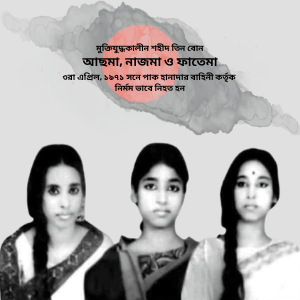
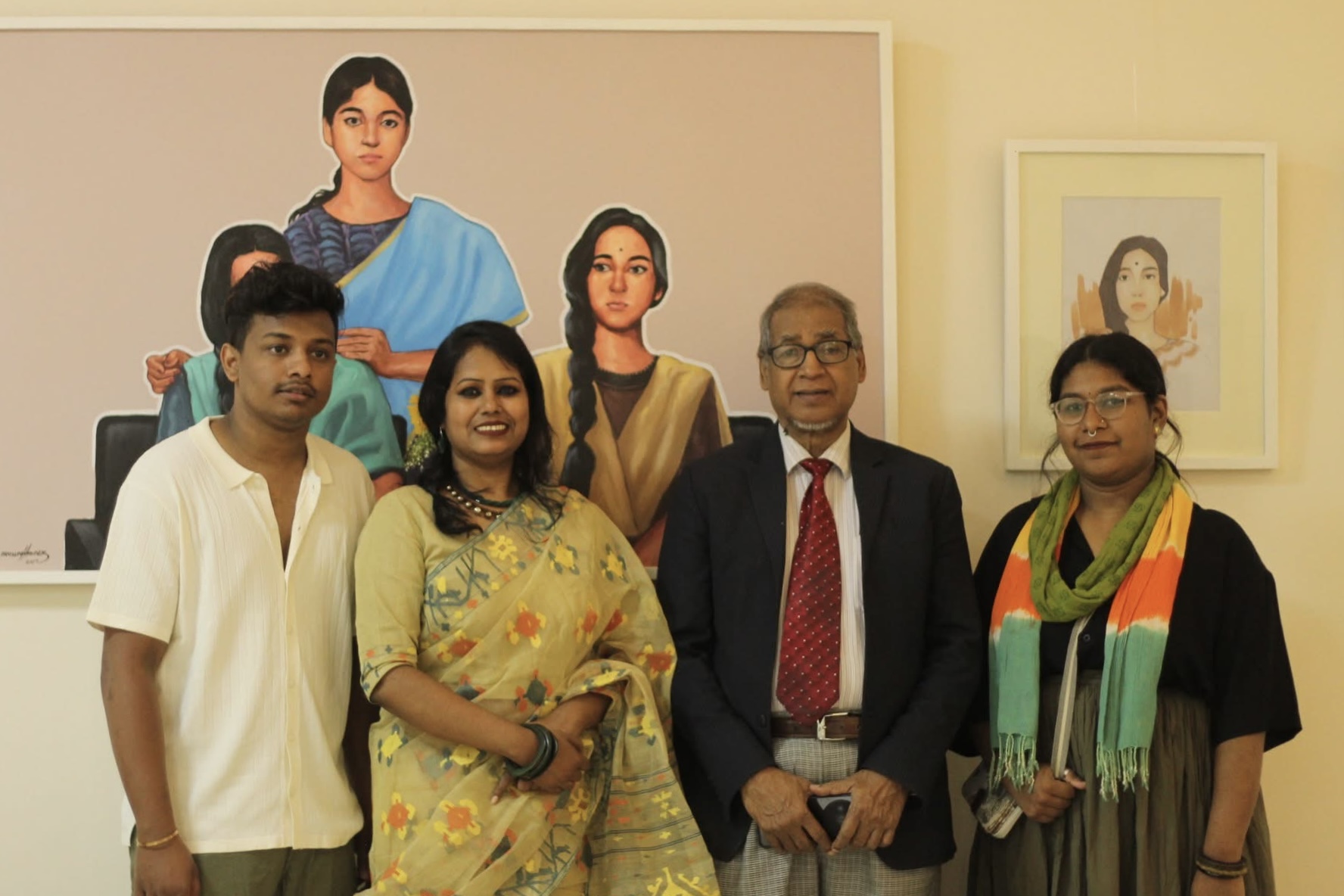
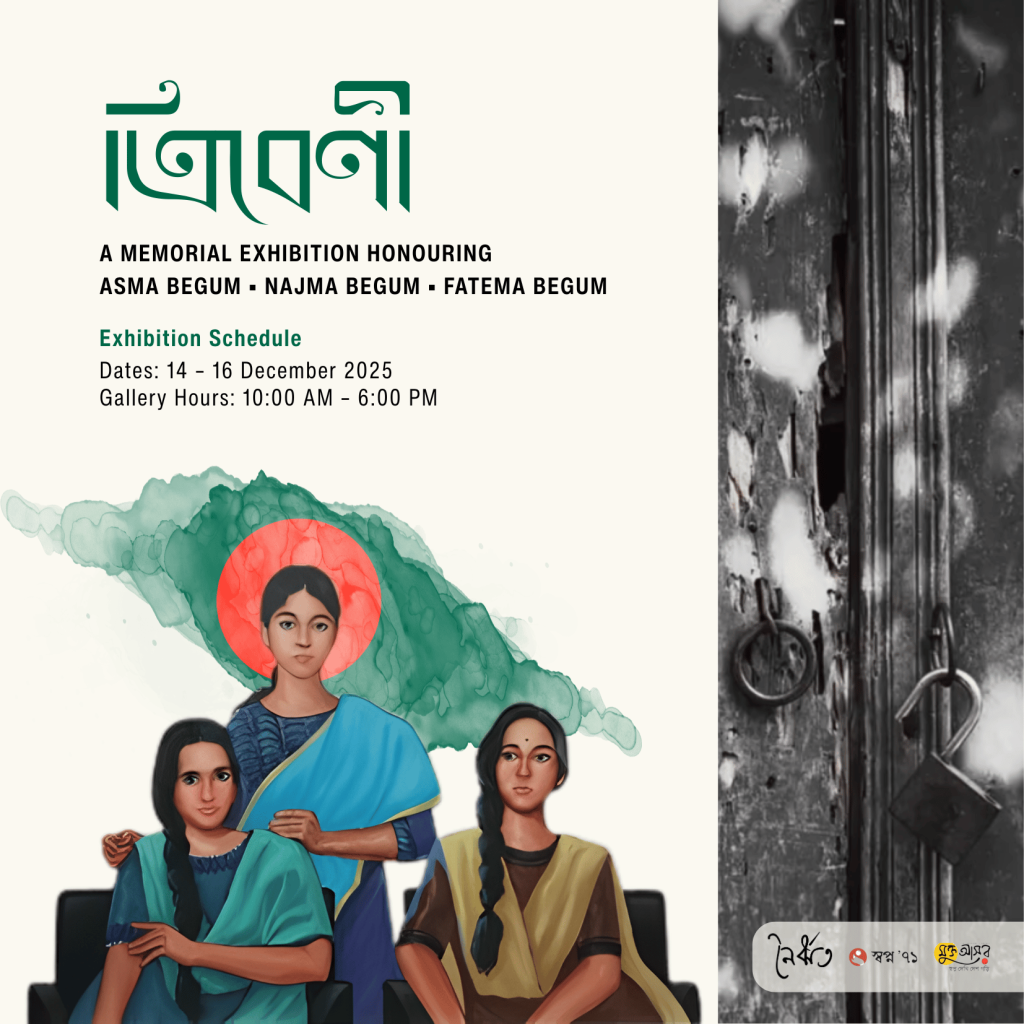
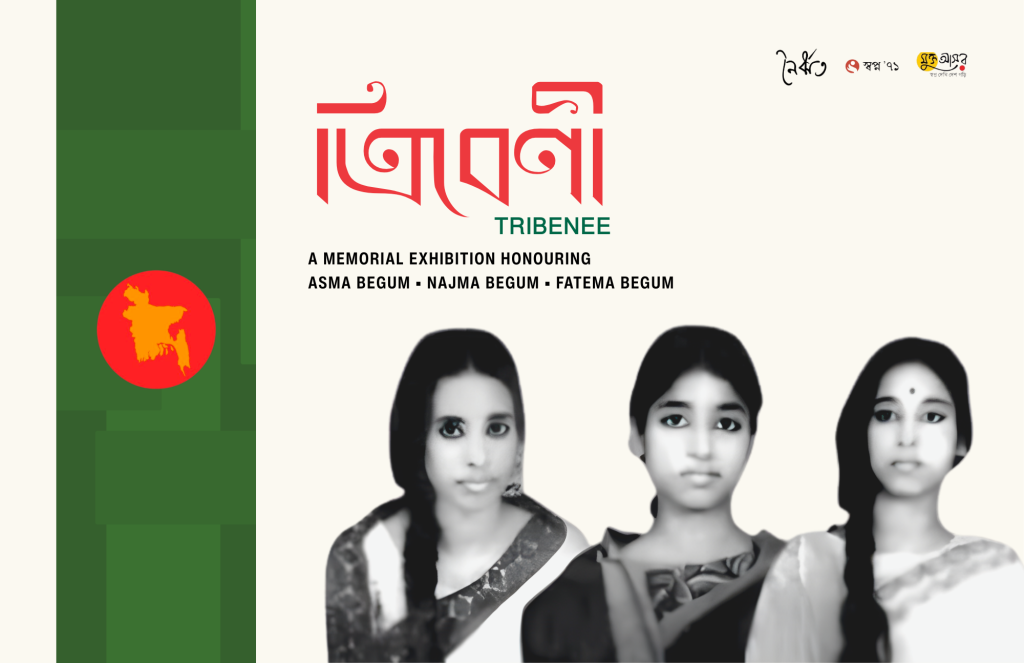
Tribenee II was built around an unresolved absence.
Curating Tribenee II required accepting that not all histories can be resolved into recognition. The exhibition did not attempt to monumentalize sacrifice or stabilize memory into a single narrative. Instead, it was structured around a question: how do we remember women whose lives were claimed by war, yet never formally named within its heroic framework?
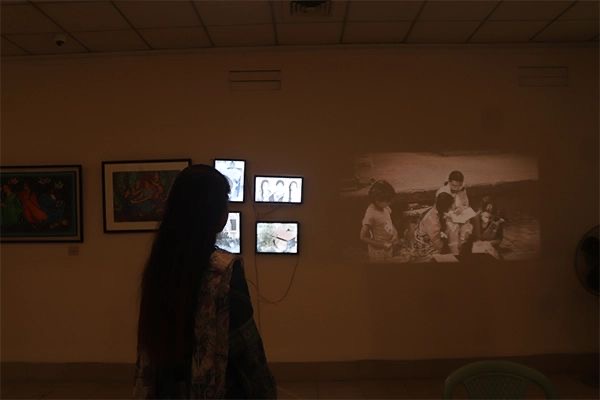
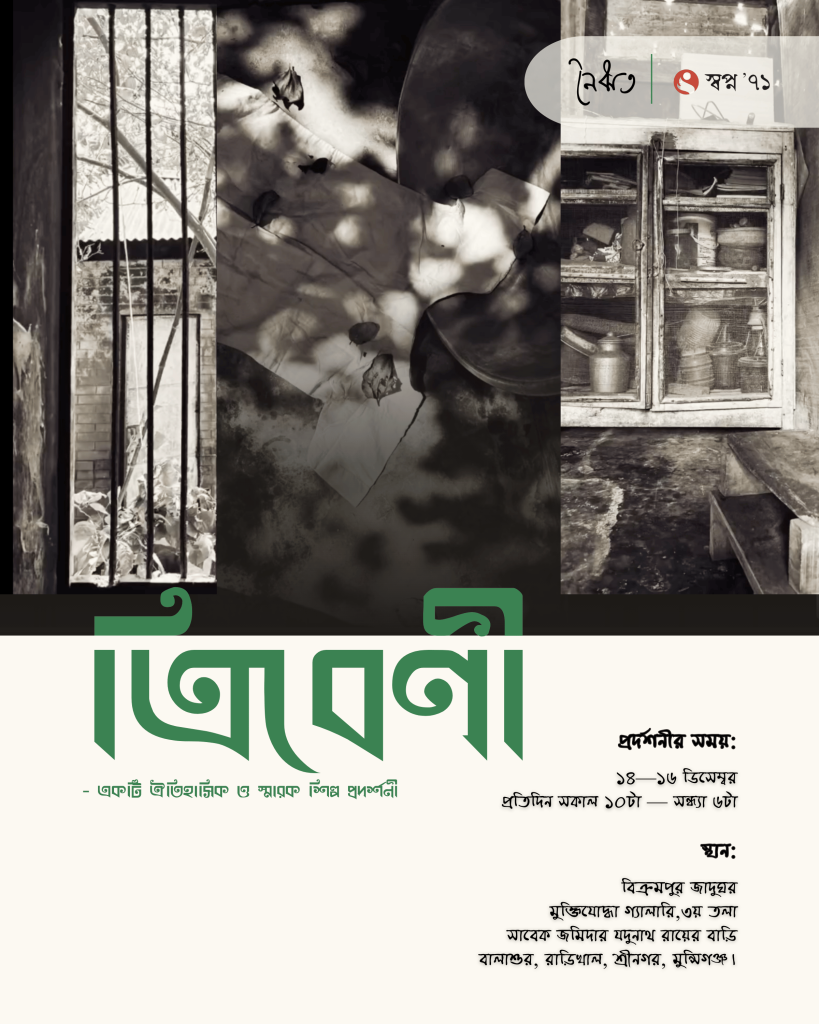
Every spatial decision — the placement of textiles, the presence of empty garments, the restraint of light — was shaped by that inquiry. Rather than proving history, the exhibition held space for ambiguity. Silence, repetition, and domestic fragments became communicative tools.
Sometimes curation is not about answering — it is about refusing to let a question disappear.